Berber kasbah
Earthen fortresses rising up in the heart of the valleys, the kasbahs tell the story of southern Morocco all on their own. Their tall ochre walls, their crenellated corner towers and the geometric patterns carved into the pisé bear witness to a craft passed down over centuries, where entire palaces were built without a single stone, using only the earth of the place, mixed with straw and dried in the sun.
Many of these kasbahs, along with the ksour (the fortified villages), once guarded the caravan routes coming up from the Sahara loaded with gold, salt and spices. They served at once as a refuge, a shared granary and a show of power for the great families who controlled the valleys, like the Glaoui. Along the Drâa or the Dadès valleys, you pass dozens of them, some still inhabited, others slowly returning to the earth they came from.
The most famous, Aït-Ben-Haddou, has stood with its towers above the oued since the Middle Ages and is now a UNESCO World Heritage site. Not far from there, Ouarzazate has become a small capital of cinema: its kasbahs and sets have hosted dozens of major films and series. You ride through places where others imagined whole worlds.
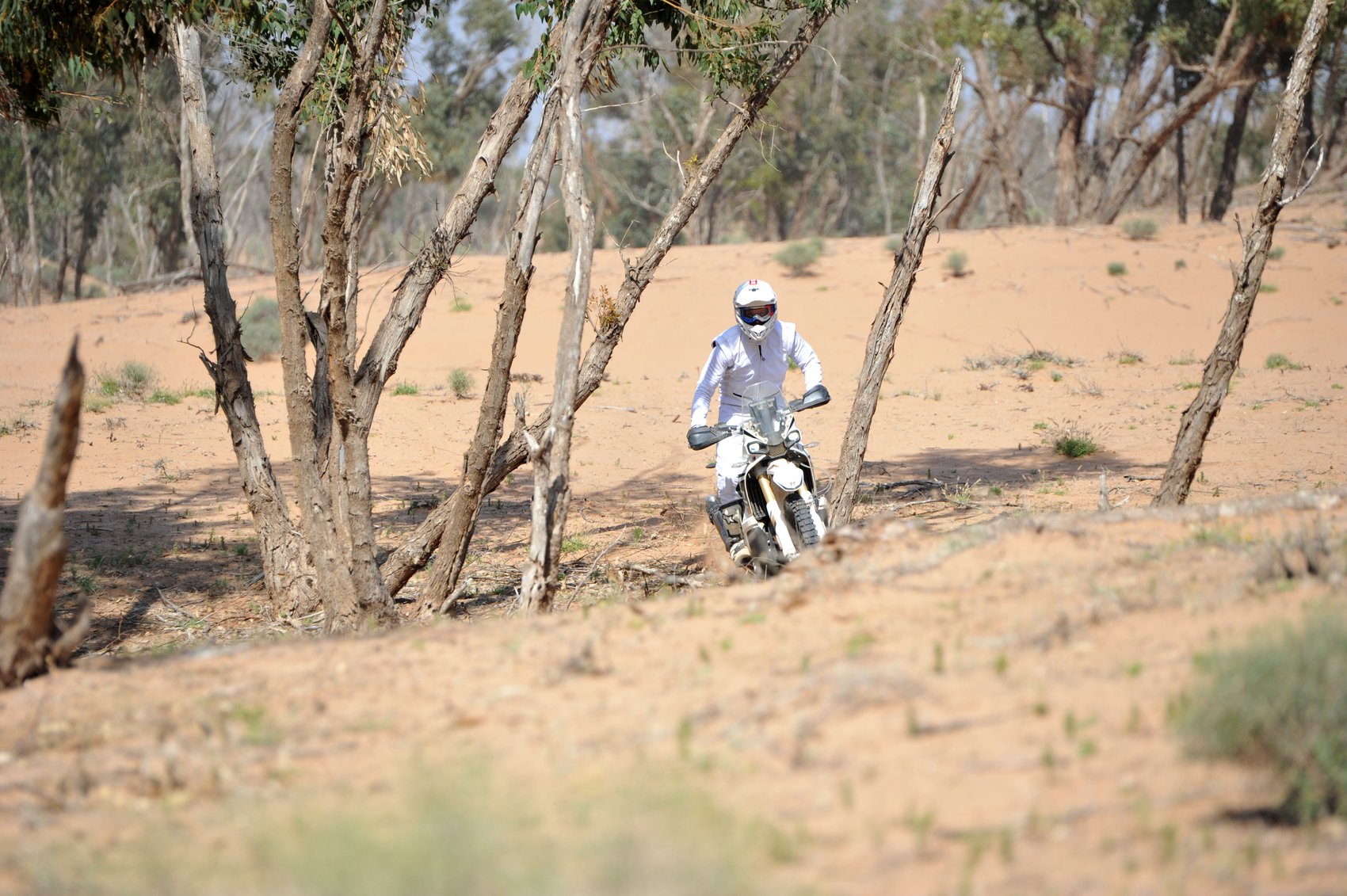
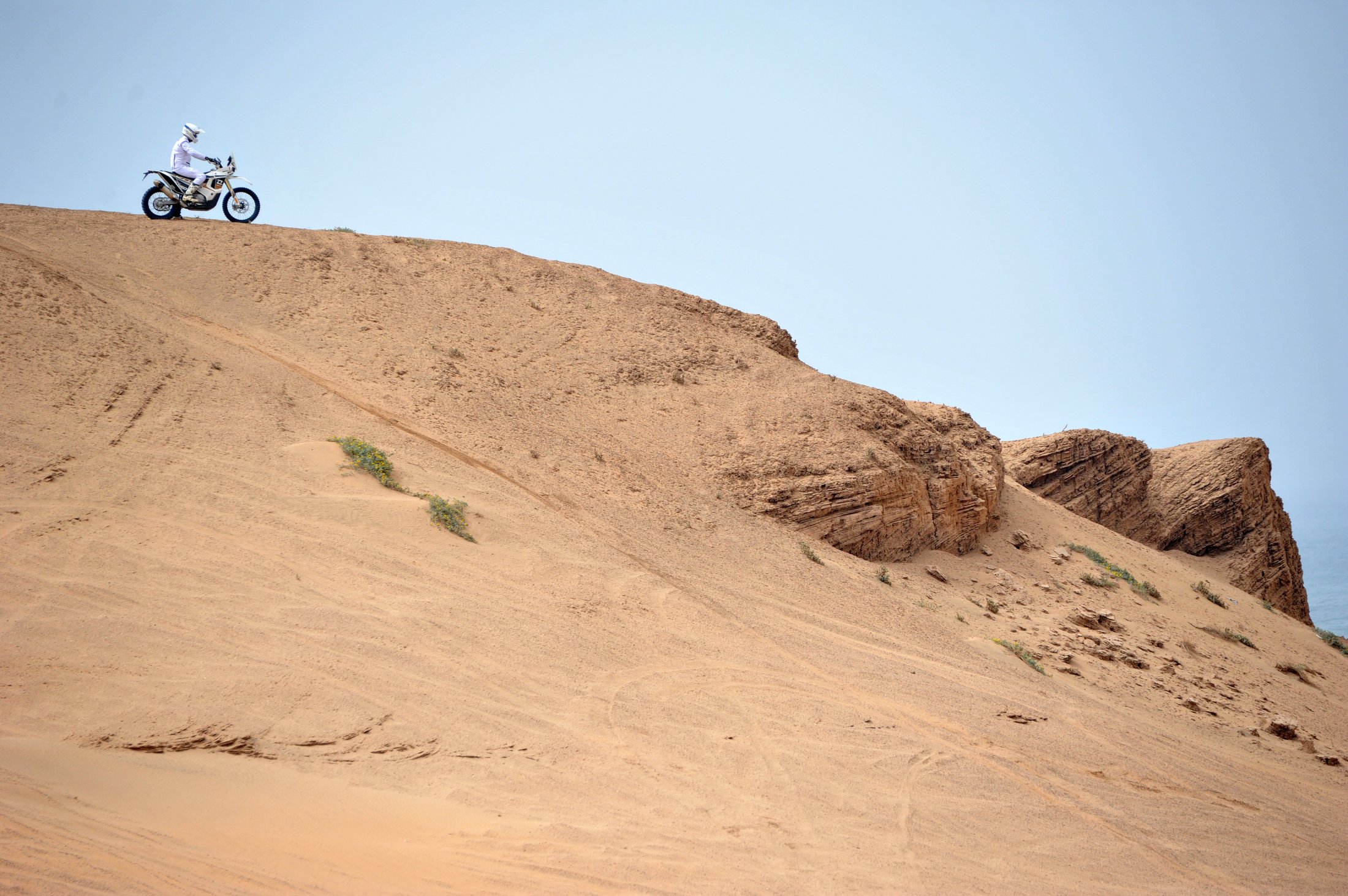
Coming across one at the bend of a track, pulling up for a minute at the foot of its walls, you're looking straight at centuries of history, a striking contrast with the growl of our modern bikes. That's Morocco too: riding fast through a country that has, itself, taken its time. My routes →
More about the destination:official Morocco travel site →